The Gavel and the Grid: Inside the DEA’s 17-Day Schedule III Showdown
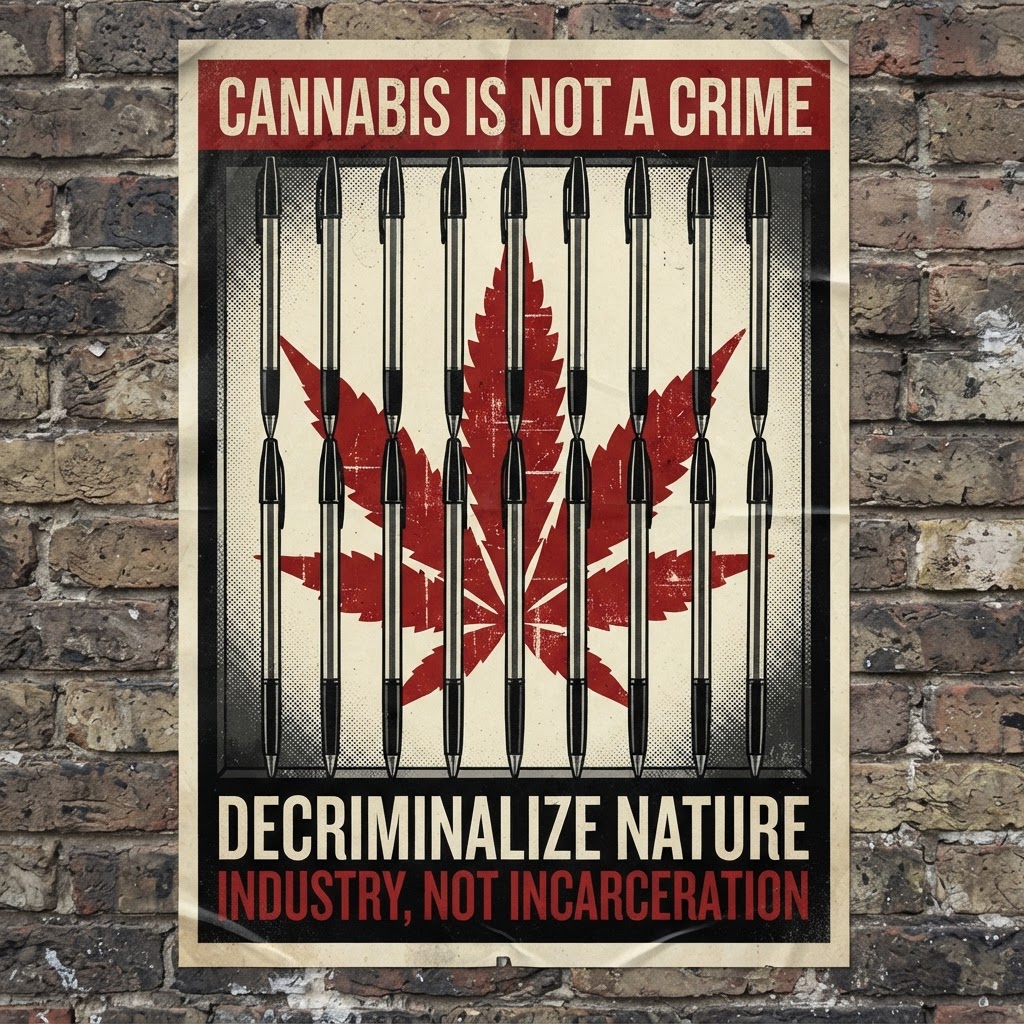
Federal halls met street-level science this July as the DEA's 17-day administrative marathon concluded. While bureaucrats debate the ink and the paper, the plant's momentum remains a rebellious, uncontainable force.
The Bureaucratic Stencil
In the sterile, high-contrast courtrooms of Arlington, Virginia, a 17-day performance of administrative theater has finally reached its curtain call. On July 15, 2026, the Drug Enforcement Administration’s formal hearing on cannabis rescheduling concluded, leaving behind a trail of ink, debate, and the faint, lingering scent of a shifting paradigm. Chief Administrative Law Judge Derek Julius now holds the stencil for the future of federal cannabis policy, as the record moves toward a final recommendation that could—at long last—shack marijuana to Schedule III rather than the draconian shadows of Schedule I.
High-Contrast Testimonies
The proceedings were a study in surreal juxtaposition. On one side, the 'old guard'—states like Nebraska and Idaho—called upon witnesses like Dr. Deepak Cyril D’Souza to paint a bruised-purple picture of mental health risks. Yet, the most striking moment of visual poetry came from an unexpected source: Humboldt County Sheriff William Honsal. Called to testify against rescheduling, Honsal instead provided a moment of high-contrast clarity. Under cross-examination by Justice Department attorneys, the sheriff admitted that regulated, legal cannabis is actually a net positive for law enforcement, effectively spray-painting over his own previous hardline statements. It was a classic registration shift; the narrative of 'dangerous chaos' was replaced by the reality that the illicit market is fed by prohibition, not legalization.
The Waiting Game
As the legal 'halftone' screens begin to settle, the industry waits. Rescheduling to Schedule III wouldn't just be a symbolic victory; it would be a molten-gold injection of financial viability, finally stripping away the 280E tax chains that have bled the industry white for decades. The hearing showed that even the most vocal opponents struggle to argue against the plant’s 'currently accepted medical use'—the core requirement for the move. We are no longer debating if the plant belongs in the light, but rather how the light will be filtered through the federal lens.
The Final Impression
The battle for the soul of the canopy isn't over. While the ALJ’s recommendation is the next step, the shadow of consolidated legal challenges looms like a Banksy mural on a condemned building. However, the evidence presented in this 17-day marathon has created a permanent mark. The industry isn't just seeking permission anymore; it is demonstrating its own undeniable gravity. The gavel has yet to fall, but the street-grit reality of the cannabis movement has already won the argument. Sources: Business of Cannabis (July 17, 2026), Marijuana Moment (July 6, 2026), DEA.gov Public Notice (June 25, 2026).